Introduction
Intermittent fasting (IF) has become one of the most talked-about health trends in recent years. But amid all the buzz, how much of it is backed by real science? In this article, we explore the evidence behind different fasting methods, what truly works, and what’s mostly hype. Along the way, we include tips and an infographic to help you choose the best IF method for your lifestyle. Whether you’re a beginner or a skeptic, you’ll gain practical, science-backed insights.

What Is Intermittent Fasting, Really?
Intermittent fasting isn’t a diet – it’s a timed approached to eating. Common methods include:
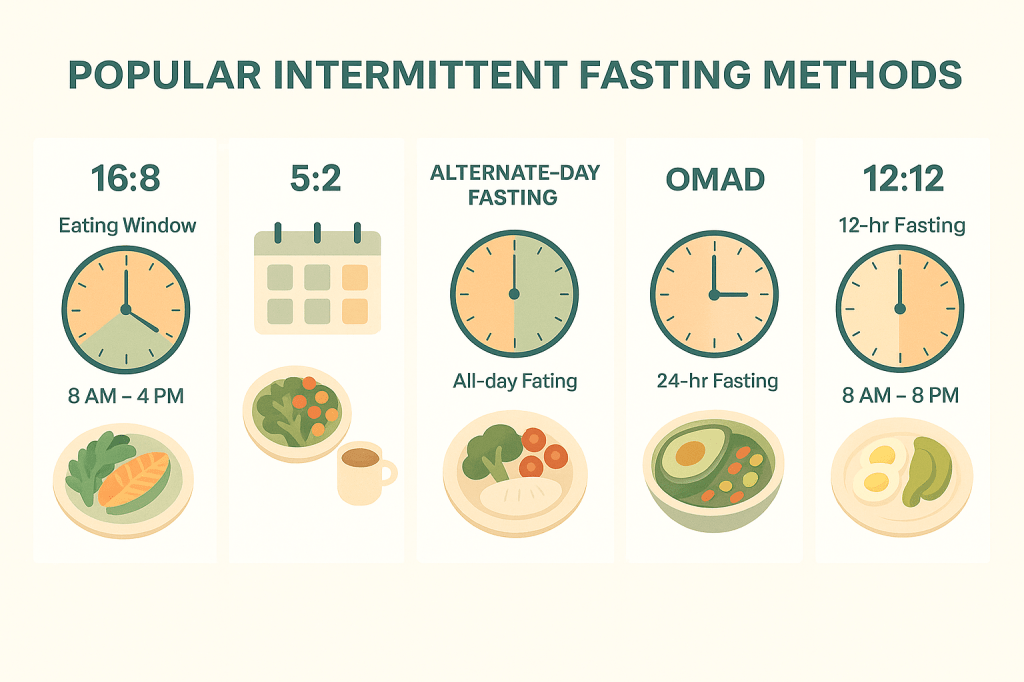
- 16:8 (16 hours fasting, 8 hours eating)
- 5:2 (eat normally 5 days, restrict calories 2 days)
- Alternate-day fasting
What Science Says Works: The Proven Benefits
- Weight Loss & Fat Loss: Clinical studies shows IF can result in 3-8% weight loss over 3-24 weeks. This is well-supported by human trials.
- Improved Insulin Sensitivity: IF can improve blood sugar regulation, especially for individuals with prediabetes.
- Cellular Repair & Autophagy: While autophagy has been demonstrated in animal studies, evidence in humans is still emerging and not yet definitive.
- Reduced Inflammation: Short-term fasting may reduce inflammatory markers, although effects vary by individual.
- Heart Health: Some trials show reductions in LDL cholesterol and blood pressure, but findings are inconsistent across fasting protocols.
What Doesn’t Work: Myths & Misconceptions
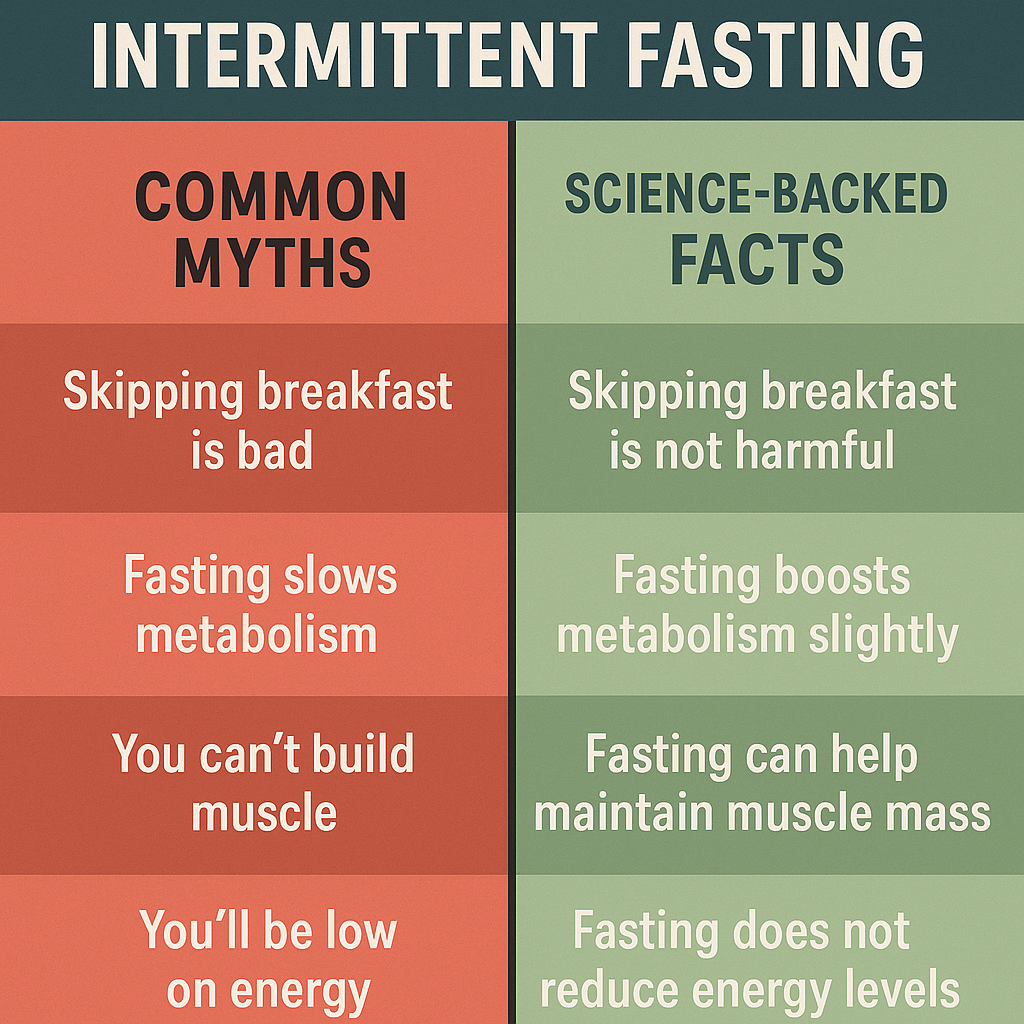
- “You Can Eat Anything During Eating Windows” — False. Overeating junk food cancels out potential benefits.
- “Fasting Guarantees Weight Loss” — Only if a calorie deficit is maintained.
- “Skipping Breakfast Slows Metabolism” — Short-term fasting does not lower metabolic rate. This myth has been debunked.
- “More Fasting = More Results” — Over-fasting can lead to fatigue, nutrient deficiencies, and unhealthy eating cycles.
- “Fasting Is Safe for Everyone” — Not recommended for pregnant individuals, those with eating disorders, or underweight individuals.
Tips for Making Intermittent Fasting Work
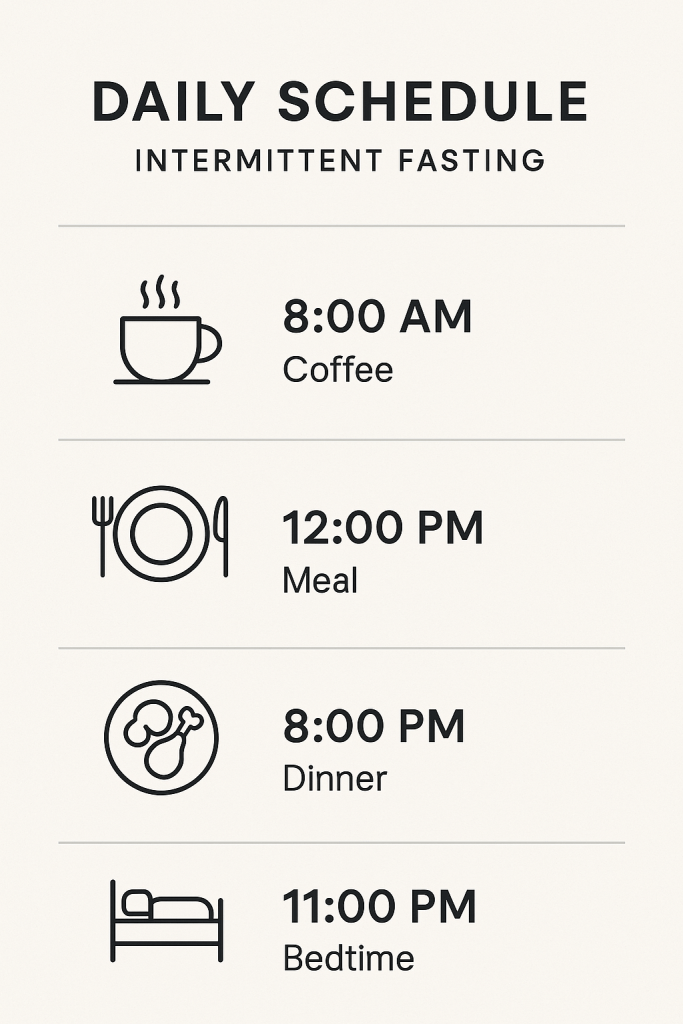
- Start with a 12:12 schedule and gradually lengthen your fasting window.
- Stay hydrated – water, black coffee, and tea are allowed during fasts.
- Focus on protein and fiber-rich meals during eating periods.
- Schedule workouts based on personal energy levels. Some prefer training in a fasted state, though benefits are still debated.
- Monitor sleep and fatigue. Adjust your fasting pattern if energy drops.
- Be flexible. Avoid fasting when sick, stressed, or training intensely.
Conclusion
Intermittent fasting isn’t magic—but when practiced responsibly, it’s a promising approach with growing scientific support. Not every benefit is equally supported, and outcomes vary. Start slow, stay consistent, and observe how your body responds. Use the tips above to begin your journey with clarity and confidence.

 Attap Kia
Leave a comment