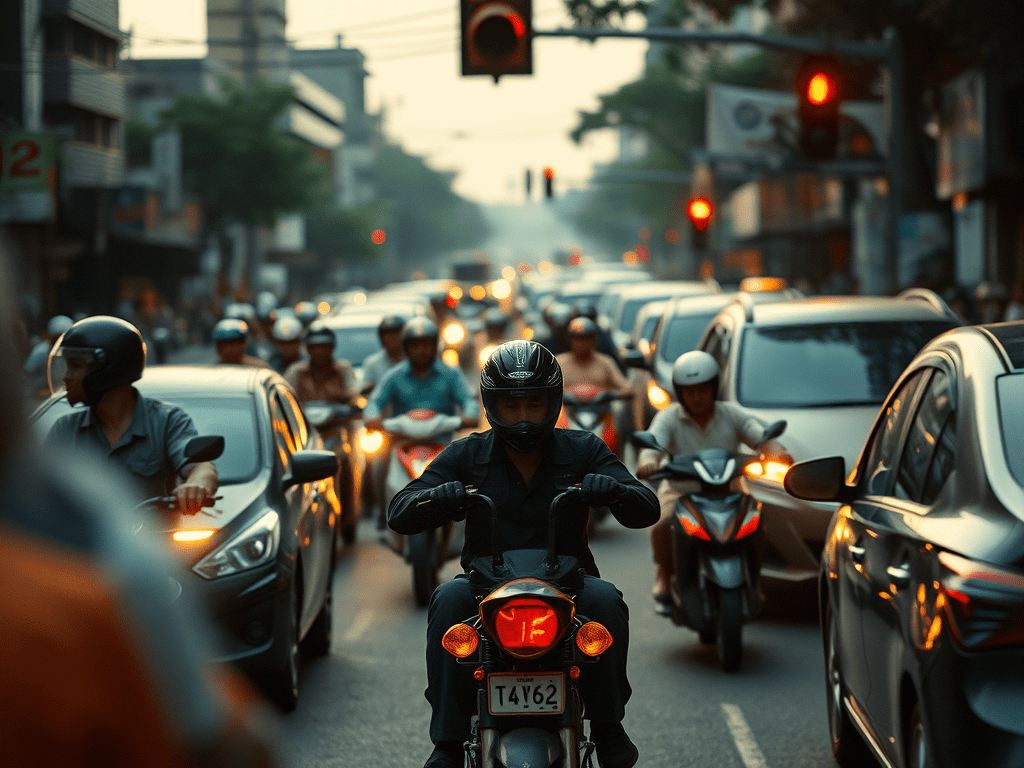
Vietnam’s roads are infamous for their chaos—motorbikes weaving through traffic, drivers ignoring red lights, and pedestrians dodging vehicles. But starting in 2025, the government is taking a bold step to bring order to the streets: paying residents to snitch on traffic offenders. With fines skyrocketing and rewards of up to 5 million dong ($270) for reporting violations, this policy is shaking up the driving culture in Vietnam.
Imagine this: you’re stuck in Hanoi’s notorious traffic, and a motorbike zooms past you, blatantly running a red light. Now, instead of just shaking your head, you could film it, report it, and earn a reward. Sounds tempting, right? But is this approach effective—or just creating more tension on the roads? Let’s dive into the details of this controversial policy and its potential impact.
Why Vietnam’s Roads Are So Chaotic
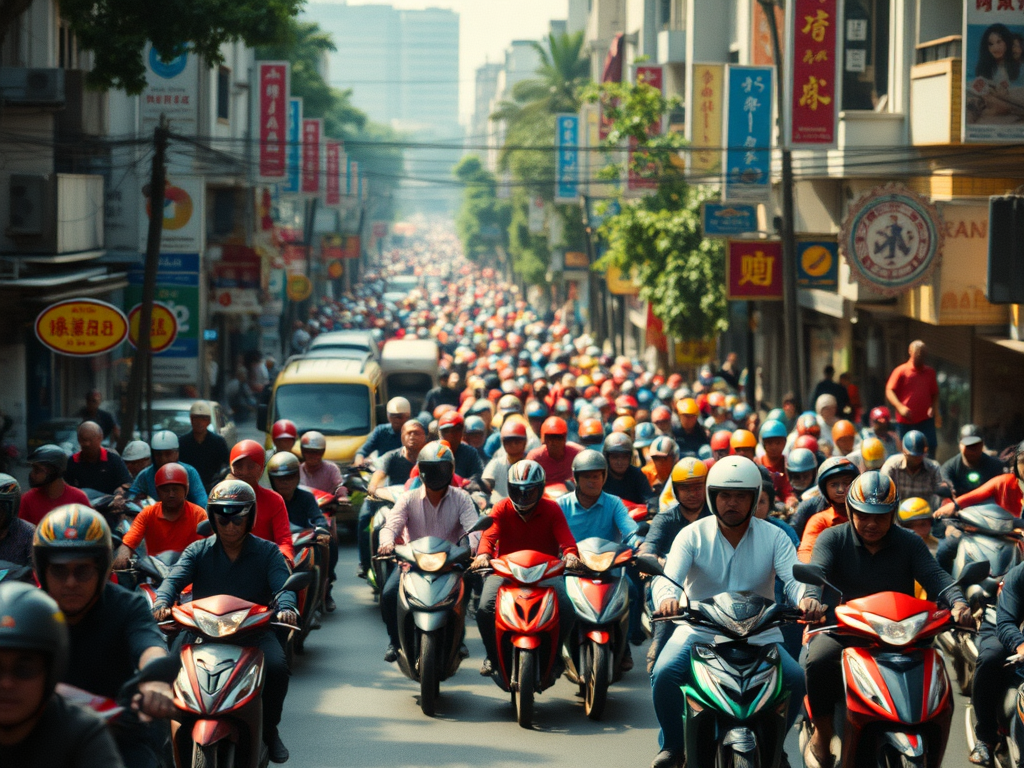
Vietnam’s traffic is a unique blend of organized chaos. With 77 million motorbikes and 6.3 million cars on the roads, it’s no wonder that traffic jams and accidents are a daily occurrence. In 2024 alone, road accidents claimed 30 lives every day, making road safety a top priority for the government.
Historically, traffic rules in Vietnam have been more like suggestions than laws. Drivers often ignore red lights, weave in and out of lanes, and use their phones while driving. The lack of strict enforcement and relatively low fines meant that reckless driving was rarely punished. But that’s all changing now.

The New Policy: Rewards for Reporting Traffic Violations
In an effort to curb reckless driving, Vietnam has introduced a new policy that rewards residents for reporting traffic violations. Here’s how it works:
- Cash Rewards: Informants can earn up to 5 million dong ($270) for reporting verified traffic offenses.
- Percentage of Fines: The reward is 10% of the fine levied on the offender, capped at 5 million dong.
- Confidentiality: The identities of those who report violations are kept confidential to protect their privacy.
So far, no rewards have been paid out, according to state media. But the policy has already sparked a mix of fear, frustration, and compliance among drivers.
Skyrocketing Fines: A Deterrent or a Burden?
The new policy isn’t just about rewarding snitches—it’s also about punishing offenders with hefty fines. For example:
- Running a red light on a motorbike now costs 6 million dong, up from just 1 million dong.
- Car drivers face even steeper fines: 20 million dong for the same violation.
- Using a mobile phone while driving now incurs double the previous penalty.
For many Vietnamese citizens, these fines are nearly unaffordable. The average monthly income in Vietnam is around 7.7 million dong, meaning a single traffic violation could wipe out a significant portion of someone’s earnings.
“I was shocked by the fine levels,” said Grab bike driver Nguyen Quoc Phong, who admitted to regularly running red lights in Hanoi. “I am scared now. I have started to obey the rules strictly.”
Public Reaction: Fear, Frustration, and Compliance
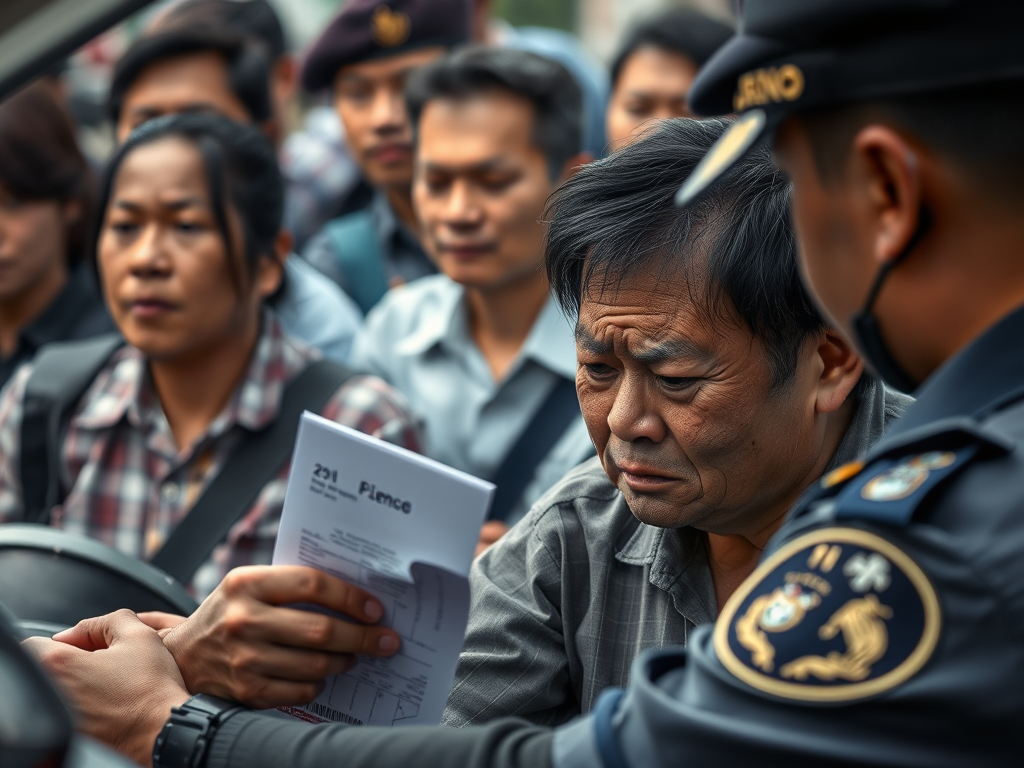
The new policy has elicited strong reactions from the public. Many drivers, like Phong, are now strictly obeying traffic rules out of fear of being reported. Others, however, are frustrated by the financial burden of the fines.
One police officer in Hanoi shared that he’s seen several drivers break down in tears when handed a fine. “It’s tough for them,” he said. “For some, these fines are more than they can afford.”
There’s also concern about the social implications of the policy. Will this create a culture of surveillance and mistrust among citizens? Some worry that the policy could lead to false reports or misuse of the system.
Will This Policy Work? Pros and Cons
Like any bold policy, this one has its pros and cons.
Pros:
Improved Road Safety: The high fines and cash rewards could deter reckless driving and reduce accidents.
Community Involvement: Encouraging citizens to report violations could lead to greater awareness and enforcement of traffic laws.
Strong Deterrent: The steep fines are a powerful incentive for drivers to follow the rules.
Cons:
Financial Burden: The fines are nearly unaffordable for many low-income drivers.
Risk of Misuse: There’s potential for false reports or misuse of the system.
Social Tension: The policy could create mistrust and tension among citizens.
Conclusion
Vietnam’s new policy of rewarding traffic offender snitches is a bold attempt to bring order to its chaotic roads. While the high fines and cash rewards may deter reckless driving, the approach also raises questions about fairness, privacy, and social trust. Will this policy lead to safer roads, or will it create new challenges for Vietnamese society?
What do you think about this approach? Would you report a traffic violation if it meant earning a reward? Share your thoughts in the comments below—and if you’ve experienced Vietnam’s traffic firsthand, we’d love to hear your stories!

 Attap Kia
Leave a comment