The landscape of cross-border cooperation between Singapore and Malaysia is about to undergo a dramatic transformation. With over 300,000 people crossing the Johor-Singapore border daily, two ground-breaking developments – the Johor-Singapore Special Economic Zone (JS-SEZ) and the Rapid Transit System (RTS) – are set to revolutionize regional integration. Let’s dive into what these transformative projects mean for businesses, residents, and the future of both regions!
Understanding the JS-SEZ and RTS Projects
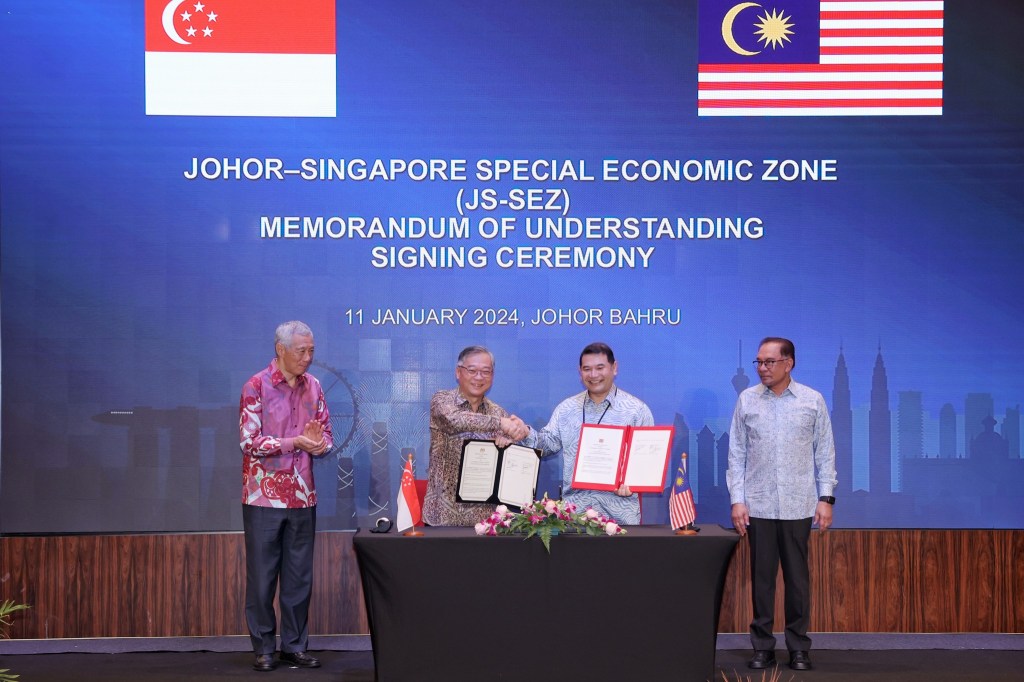
The Johor-Singapore Special Economic Zone represents a bold step forward in bilateral cooperation. This dedicated economic zone aims to streamline cross-border business operations and attract international investment. Meanwhile, the Rapid Transit System isn’t just another transportation project – it’s a gateway to enhanced connectivity that will reshape how people move between these two dynamic regions.
The RTS project, with its state-of-the-art design, will connect Woodlands North in Singapore to Bukit Chagar in Johor Bahru. This isn’t just about building tracks and stations; it’s about building bridges between communities and economies.
Economic Transformation and Opportunities
The impact of these developments on the regional economy cannot be overstated. During construction and operation phases, the RTS alone is expected to generate approximately 1,000 new jobs in Johor. But that’s just the tip of the iceberg!
The JS-SEZ is poised to become a magnet for multinational corporations, particularly in:
- Advanced electronics manufacturing
- Healthcare services and medical technology
- Financial services and fintech
- Digital innovation and technology
Foreign Direct Investment (FDI) is expected to surge as companies recognize the unique advantages of operating in a zone that bridges two dynamic economies. The establishment of streamlined business processes and potential tax incentives makes this an attractive proposition for international investors.
Business Impact and Growth Potential
One of the most exciting features of the JS-SEZ is the planned “one-stop business/investment service centre.” This innovation will simplify administrative procedures and reduce bureaucratic hurdles that often challenge cross-border operations.
For businesses, this means:
- Faster company registration processes
- Streamlined permit applications
- Simplified cross-border tax procedures
- Enhanced access to both markets
Small and medium enterprises (SMEs) will need to adapt to this new landscape. While some may face increased competition, others will find unprecedented opportunities to expand their market reach across borders.
Transportation and Connectivity Revolution
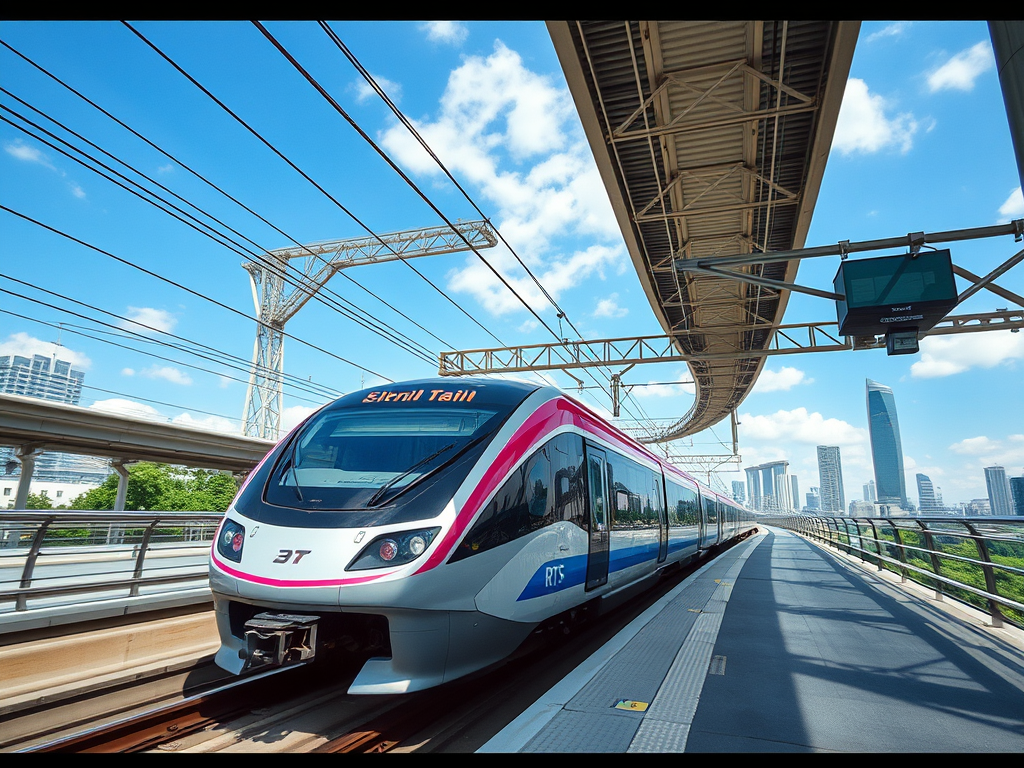
The RTS represents more than just a new way to cross the border – it’s a complete reimagining of regional mobility. With modern stations and efficient systems, the RTS will significantly reduce travel time and border congestion.
Key features include:
- High-frequency services during peak hours
- Integration with existing public transport networks
- Custom and immigration facilities at both terminals
- Capacity to handle high passenger volumes
This enhanced connectivity will transform daily commuting patterns and create new possibilities for business and leisure travel.
Property Market Dynamics
The real estate sector is already buzzing with anticipation. Properties near RTS stations are likely to see significant appreciation in value. We’re witnessing a surge in interest from:
- Property developers launching new projects
- Investors seeking early opportunities
- Businesses planning strategic relocations
- Individuals looking for affordable housing options
The impact extends beyond residential properties to commercial real estate, with increased demand for office space and retail locations near transport hubs.
Tourism and Lifestyle Changes
These developments will revolutionize tourism and lifestyle patterns in both regions. Easier access means:
- More weekend leisure trips across the border
- Enhanced shopping opportunities
- Greater cultural exchange
- Expanded entertainment options
For Singapore residents, Johor’s attractions become more accessible weekend destinations. For Johor residents, Singapore’s world-class amenities become more readily available.
Challenges and Risk Mitigation
While the outlook is promising, several challenges require careful attention:
- Regulatory Coordination
- Need for harmonized business regulations
- Alignment of customs procedures
- Standardization of compliance requirements
- Infrastructure Requirements
- Supporting transportation networks
- Utilities and services capacity
- Digital infrastructure needs
- Social Integration
- Managing increased cross-border movement
- Maintaining cultural identity
- Ensuring community benefits
Looking Ahead
As these transformative projects move forward, their success will depend on continued cooperation between Singapore and Malaysia. For businesses, investors, and residents, staying informed about these developments is crucial. The JS-SEZ and RTS represent more than just economic initiatives – they’re catalysts for a new era of regional integration and prosperity.
Whether you’re a business owner looking to expand, an investor seeking opportunities, or a resident excited about new possibilities, these developments offer something for everyone. The future of Johor-Singapore cooperation looks brighter than ever, built on the foundation of enhanced connectivity and economic integration.
The success of these projects will undoubtedly create a model for cross-border cooperation that other regions might follow. As we move forward, the key will be maintaining the momentum while ensuring that the benefits are shared across all sectors of society.
Stay tuned for updates on these exciting developments as they continue to unfold throughout 2024 and beyond!

 Attap Kia
Leave a comment