
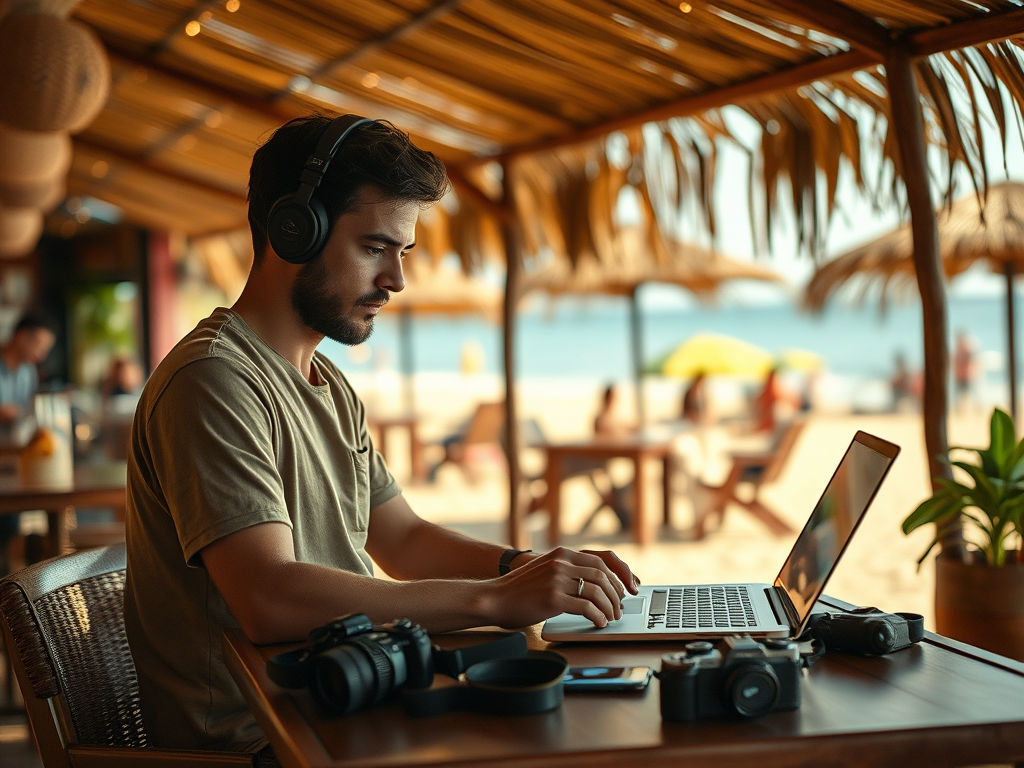
Imagine waking up to a breathtaking ocean view, opening your laptop, and starting your workday from a beachside café in Bali. That’s exactly what my mornings look like now, and let me tell you, it’s a far cry from rushing to catch the MRT during peak hours!
As a Singaporean who traded the corporate life for the digital nomad lifestyle, I know firsthand how daunting it can be to consider leaving behind the stability and comfort of life here. But I also know how incredibly rewarding it can be to embrace the freedom and flexibility of working from anywhere in the world.

So, what exactly is a digital nomad? Simply put, we’re professionals who leverage technology to work remotely while traveling the globe. It’s a lifestyle that’s gaining popularity faster than the latest food trend in Singapore, especially in the wake of the global shift towards remote work.
Now, I won’t sugarcoat it – becoming a digital nomad isn’t all about posting envy-inducing Instagram photos from exotic locations. It comes with its fair share of challenges. There were times when I found myself scrambling to meet deadlines from a dodgy internet café in Southeast Asia, or feeling a pang of homesickness during festive seasons while halfway across the world.
But for every challenge, there are countless rewards. The ability to experience new cultures, the freedom to set your own schedule, and the opportunity for personal growth are just a few of the perks that make this lifestyle so appealing.
Whether you’re a fresh graduate looking to take the road less traveled, or a mid-career professional itching for a change, this guide will walk you through the essential steps to become a digital nomad in 2024. From choosing a remote-friendly career to navigating the practicalities of taxes and visas, I’ll share the lessons learned along the way.
Assess Your Skills and Choose a Remote-Friendly Career
When I first considered leaving my stable job in Singapore, I felt a mix of excitement and anxiety. It’s natural to feel that way, but the key is to focus on your strengths and marketable skills.
Start by evaluating your current skillset. Are you good with numbers? Perhaps a career in remote accounting or financial analysis could be your ticket to freedom. Maybe you have a knack for design that you’ve only explored as a hobby? It might be time to turn that passion into a full-time gig.
Here are some popular remote-friendly careers to consider:
- Content writing and copywriting
- Web development and programming
- Graphic design and UI/UX design
- Digital marketing and SEO
- Virtual assistance
- Online teaching and tutoring
- Translation and interpretation
Don’t be discouraged if your current skills don’t align perfectly with these roles. The internet is a treasure trove of resources for upskilling. Many successful digital nomads spent months taking online courses and building their skills before making the leap.
Build Your Online Presence and Portfolio
In the digital nomad world, your online presence is your shopfront. It’s how potential clients and employers will find and evaluate you.
Create a professional website or online portfolio. Think of it as your digital resume. Showcase your best work, client testimonials, and share industry insights through a blog. It doesn’t have to be fancy – clean, professional, and easy to navigate is the way to go.
Give your LinkedIn profile proper attention. This isn’t just about listing your job history; it’s about telling your professional story. Highlight your remote work skills, showcase any relevant certifications, and gather recommendations from colleagues and clients.
Developing a personal brand might sound daunting, but it’s simply about consistently presenting your professional self online. Choose a professional yet approachable profile photo, and make sure your messaging is consistent across all platforms.
Networking is crucial in the digital nomad world. Join online communities related to your field and engage genuinely. Share your knowledge, ask questions, and build relationships. Your next big opportunity might come from a connection you make in a Facebook group or a Twitter thread!
Find Remote Work Opportunities
Finding that first remote job can feel like being a fresh graduate all over again. But don’t worry, there are more opportunities out there than seats on the MRT during peak hours!
Start by exploring remote job boards and websites. Some popular ones include:
- We Work Remotely
- Remote.co
- FlexJobs
- LinkedIn Remote Jobs
- Upwork
- Fiverr
Don’t overlook the power of your existing network. Let your contacts know you’re looking for remote opportunities. Many leads can come from a simple LinkedIn post or a conversation with former colleagues.
Here are some tips for landing your first remote job:
- Tailor your application to each position, highlighting your remote work skills
- Be prepared to discuss how you stay productive and manage your time when working independently
- Showcase any relevant remote work experience, even if it’s just side projects
- Be open to starting with part-time or contract positions to build your remote work track record
Sort Out Your Finances and Taxes
As Singaporeans, we’re used to a straightforward tax system. The world of international taxes for digital nomads, however, requires more planning and consideration.
Create a comprehensive digital nomad budget. Factor in:
- Regular living expenses
- Travel insurance
- Co-working space fees
- Emergency fund
- Equipment replacement costs
- Healthcare coverage
- Buffer for currency fluctuations
Set up a robust system for tracking income and expenses. Use apps designed for freelancers and digital nomads that allow you to scan receipts on the go and categorize expenses easily.
Regarding taxes, you’ll still need to file in Singapore if you maintain ties here (like a residential property or substantial time spent in the country). You may also have tax obligations in countries where you’re working. Consider consulting with an accountant who specializes in expat taxes to navigate issues like double taxation agreements.
Banking considerations:
- Open an offshore bank account
- Get travel-friendly credit cards with no foreign transaction fees
- Set up multiple payment receiving options (PayPal, Wise, etc.)
- Maintain a Singapore bank account for local obligations
Streamline Your Digital Tools and Gear
Your laptop is your office, so invest in reliable equipment. Essential gear includes:
- A lightweight, powerful laptop
- Noise-cancelling headphones
- Universal power adapter
- Portable charger
- Reliable smartphone (for backup internet)
- External hard drive
Must-have software and tools:
- Project management tools
- Communication platforms
- Video conferencing software
- Cloud storage solutions
- Time tracking apps
- Invoicing software
- VPN service
Cybersecurity is crucial when working remotely. Protect yourself with:
- Strong VPN service
- Reliable antivirus software
- Two-factor authentication
- Regular data backups
- Password manager
Plan Your Nomadic Lifestyle
When choosing destinations, consider:
- Cost of living compared to Singapore
- Internet reliability
- Time zone compatibility with clients
- Visa requirements
- Healthcare facilities
- Safety
- Local digital nomad community
Southeast Asia offers many excellent starting points with:
- Similar time zones to Singapore
- Reasonable cost of living
- Good internet infrastructure
- Familiar cultural elements
- Easy travel connections
For accommodation, explore:
- Short-term rentals
- Co-living spaces
- Serviced apartments
- Extended stay hotels
- House sitting opportunities
Join local digital nomad communities through:
- Facebook groups
- Meetup events
- Co-working spaces
- Digital nomad forums
- Local expat associations
Prepare for the Challenges of Nomadic Life
Common challenges and solutions:
Loneliness:
- Join digital nomad communities
- Attend local events
- Use language exchange apps
- Maintain regular video calls with family
- Participate in group activities
Work-Life Balance:
- Set strict working hours
- Create dedicated workspaces
- Use time blocking techniques
- Schedule regular breaks
- Practice regular exercise
Cultural Adaptation:
- Learn basic local phrases
- Research cultural norms
- Join local community events
- Stay open-minded
- Connect with other expats
Health Maintenance:
- Get comprehensive travel insurance
- Research local healthcare options
- Maintain exercise routines
- Cook healthy meals when possible
- Stay hydrated and mind food safety
Take the Leap: Transitioning to Digital Nomad Life
Preparation Checklist: □ Secure remote work or stable income □ Build 6-12 months of savings □ Research visa requirements □ Arrange international health insurance □ Set up virtual mailing address □ Organize important documents □ Plan first destination □ Join relevant online communities
Tips for a Smooth Transition:
- Start with a trial period of remote work while in Singapore
- Choose an easy first destination
- Build an emergency fund
- Maintain important relationships back home
- Create a realistic budget
- Set clear work boundaries
- Establish backup plans
Conclusion
The journey from Singapore’s structured environment to the digital nomad lifestyle is both challenging and rewarding. While you might miss the convenience of our efficient public transport and the taste of local hawker food, the opportunities for personal and professional growth are unmatched.
Success as a digital nomad requires:
- Careful planning
- Adaptability
- Financial discipline
- Strong work ethic
- Cultural sensitivity
- Continuous learning
- Resilience
Remember that there’s no single “right way” to be a digital nomad. Some prefer changing locations monthly, while others stay in one place for extended periods. Find what works for you and be prepared to adjust your approach as needed.
The digital nomad community is vast and supportive. Connect with others, share experiences, and don’t hesitate to ask for advice. While the lifestyle may seem daunting at first, proper preparation and a positive mindset will help you succeed in this exciting journey.
Ready to trade your daily MRT commute for a life of global possibilities? The world awaits, and your adventure is about to begin.
Share your thoughts and questions in the comments below – the digital nomad community grows stronger with every shared experience!

 Attap Kia
Leave a comment